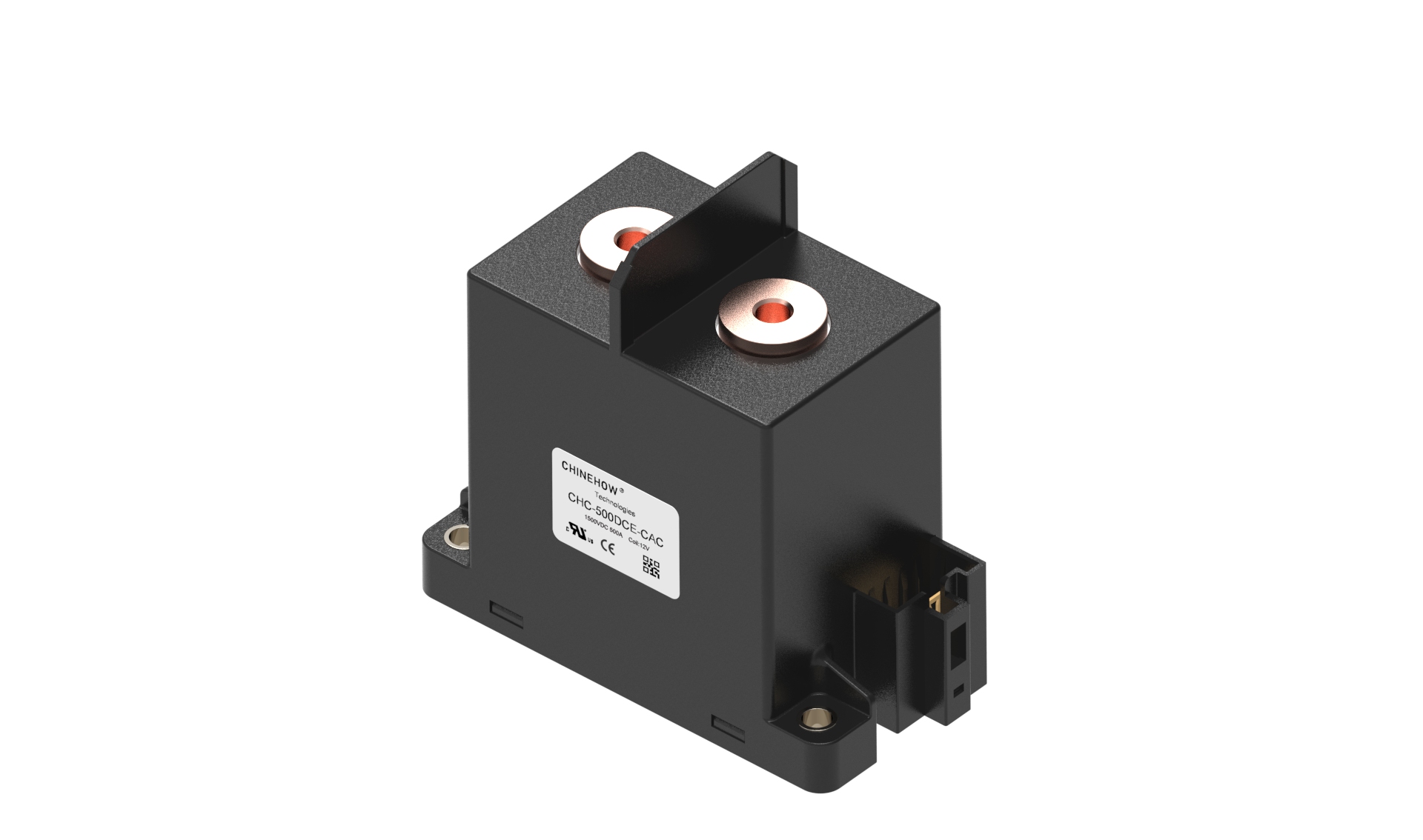
Understanding the technical differences between a DC contactor vs DC circuit breaker is essential for designing safe, reliable high-voltage DC power systems. While DC contactors deliver high-frequency automated switching under normal operating loads, DC circuit breakers provide critical overcurrent and short-circuit protection. Evaluating key parameters such as mechanical endurance, arc suppression capabilities, and fault interruption capacity allows system designers to prevent contact welding and fire hazards, ensuring full regulatory compliance and seamless operational performance across solar, EV, and energy storage setups.
Read More 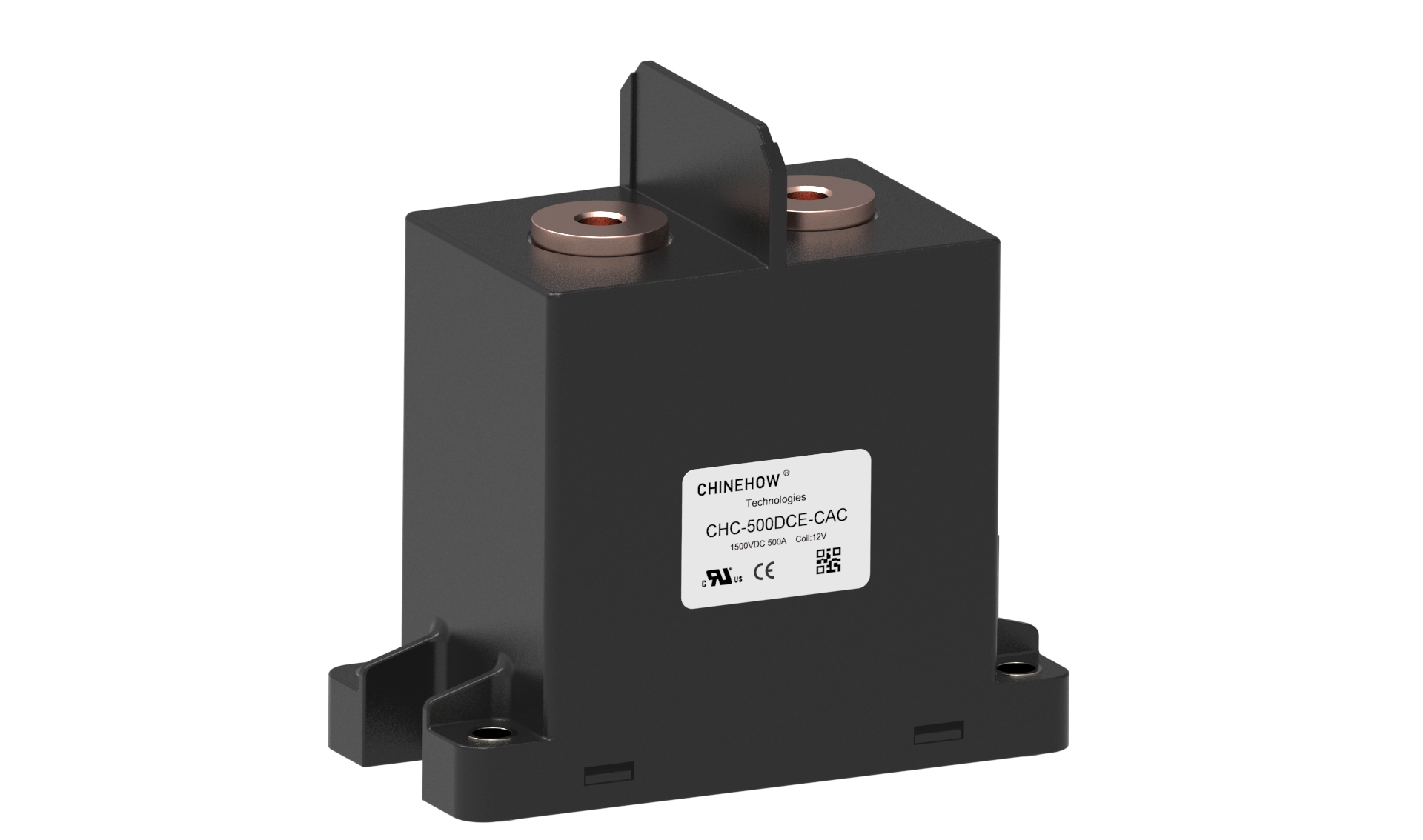
High-voltage DC contactors serve as critical safety switches in EV, energy storage, and high-power applications where sustained electrical arcs pose catastrophic risks. Unlike AC systems, DC circuits lack a zero-crossing point, requiring specialized magnetic blowouts, arc chutes, and hermetically sealed chambers filled with inert gas to stretch and extinguish arcs rapidly. Selecting the right contactor demands a balance of continuous current capacity, peak breaking capacity, thermal management, and economizer control circuits. Properly matching these components ensures rapid fault isolation, prevents contact micro-welding, and guarantees long-term system reliability.
Read More 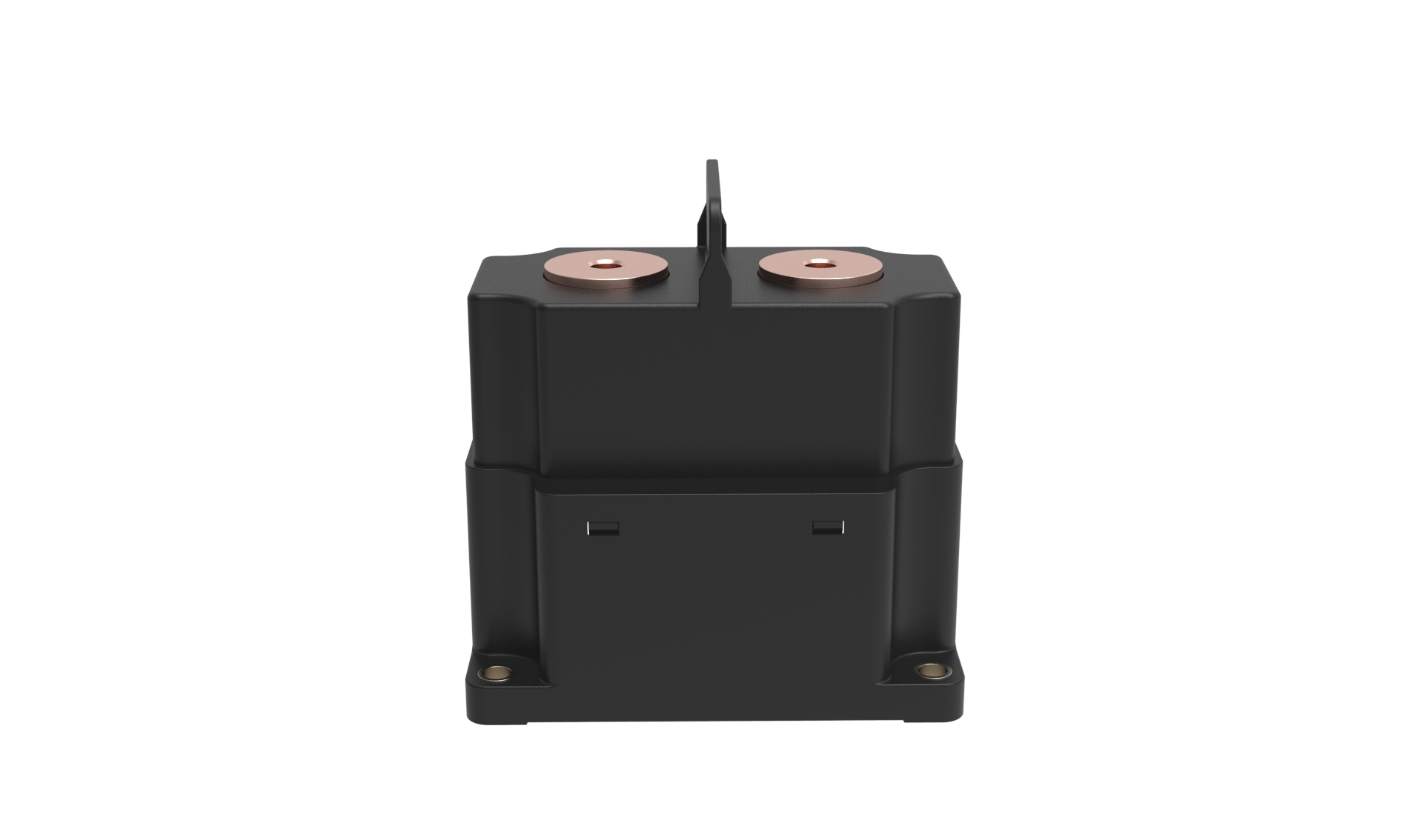
As electric vehicles transition to 800V and 1000V+ architectures, specifying the right EV DC contactor becomes essential for ensuring battery pack safety and overall operational efficiency. By carefully evaluating continuous current headroom, hermetic arc suppression, and intelligent coil control, automotive engineers can effectively prevent catastrophic contact welding and thermal runaway. Selecting components that meet stringent AEC-Q and ISO 26262 standards guarantees precise high-voltage isolation, optimal thermal performance, and continuous compliance across demanding drive cycles and high-speed DC fast-charging sessions.
Read More 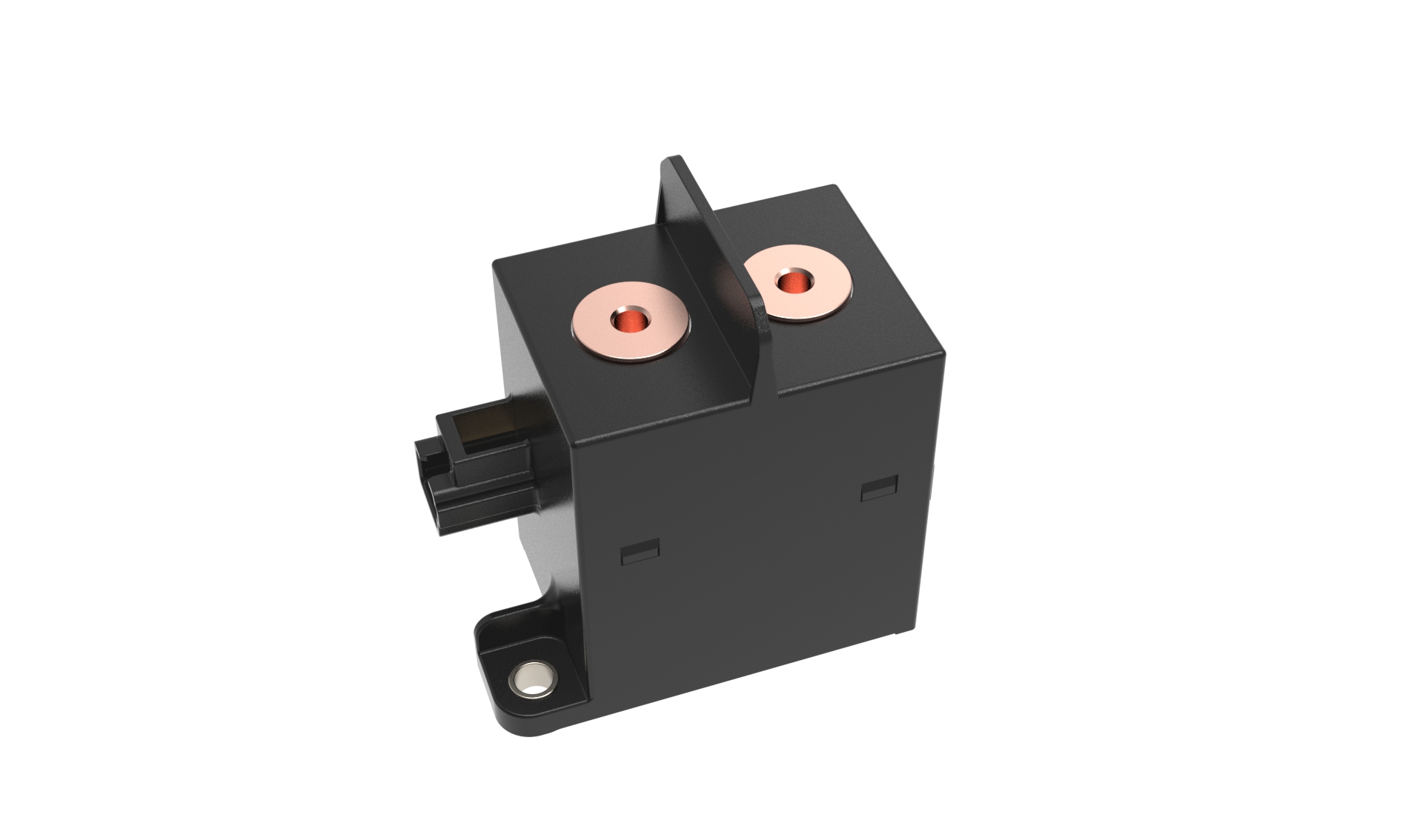
As utility-scale BESS architectures transition to 1500VDC, selecting a high-performance battery energy storage DC contactor is critical to prevent contact welding, arc flashes, and thermal runaway. A reliable contactor serves as the primary safety boundary between battery modules and the inverter bus, requiring careful evaluation of continuous current ratings, short-circuit interrupting capacity, and thermal efficiency. By implementing bidirectional switching, ceramic-brazed gas-filled chambers, and smart BMS integration, engineers can safely break high-voltage arcs, maintain low contact resistance, and ensure full compliance with UL and IEC safety standards.
Read More 
This guide explains how a hydraulic magnetic circuit breaker uses a solenoid coil, iron core, and silicone-filled dashpot to provide temperature-independent overcurrent protection. It compares hydraulic magnetic, thermal-magnetic, and electronic trip technologies across trip stability, power loss, reset time, vibration tolerance, and inrush current handling. The article also outlines key advantages, major applications in telecom, marine, renewable energy, transportation, and data centers, and practical selection factors such as voltage, current, interrupting capacity, trip curves, mounting orientation, certifications, and low-temperature performance.
Read More 


